



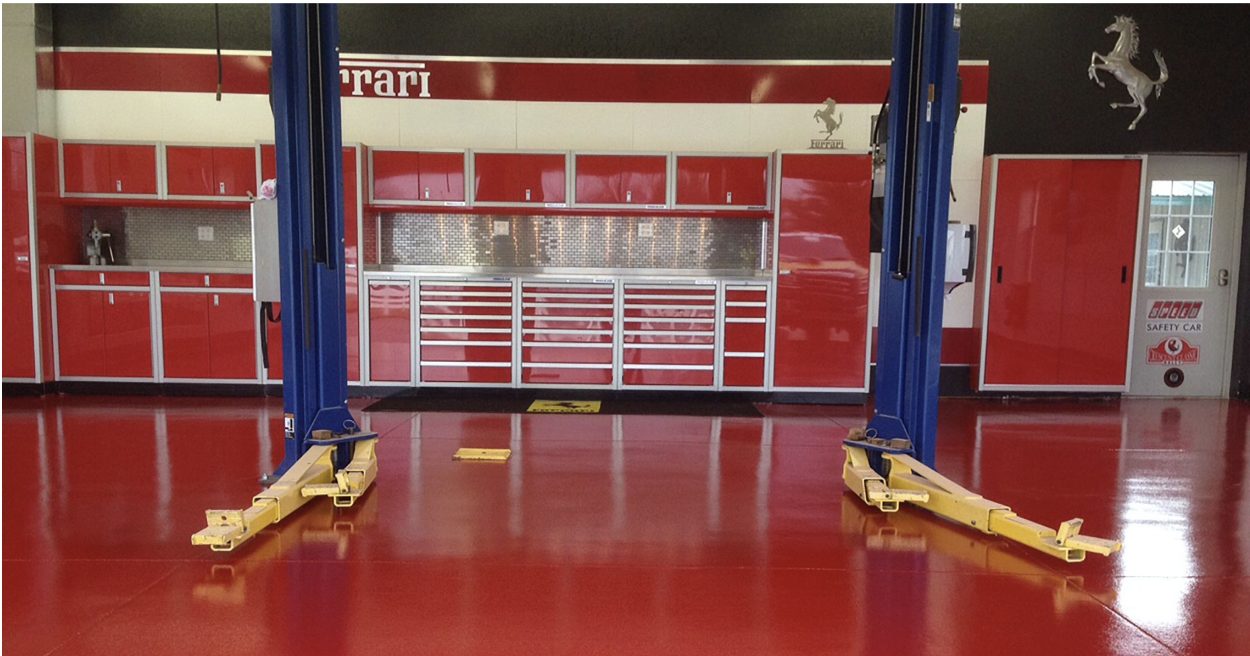
Workshops do not have the luxury of wasted space. Whether the space is used for vehicle work, fabrication, detailing, equipment maintenance, or home projects, productivity depends on having the right tools in the right place at the start of work.
Poor organization slows everything down. Tools get misplaced, benches become crowded, bulky equipment takes over the floor, and projects take longer than they should. The right workshop storage system does the opposite. It improves access, protects tools, and makes the workspace more efficient.
A strong workshop cabinet layout is not just about adding more storage cabinets. It is about creating a system that fits the work being done. That includes base cabinets, wall cabinets, drawers, shelves, accessories, and work surfaces planned around real workflow. With the right workshop storage, a garage, shop, trailer, or commercial workspace can operate with more control, less clutter, and better long-term performance.
Workshop storage matters because disorganization creates friction. Every minute spent looking for a tool, moving equipment out of the way, or clearing a surface before work can begin is time taken away from the task itself.
A well-planned setup makes the workspace easier to use. Frequently used tools are close at hand. Heavy equipment has a secure place. Small parts are organized instead of scattered across a bench. Shelves, drawers, and cabinets support the way work actually happens.
The best workshop storage ideas begin with the workflow. A home garage may need storage that keeps the space clean enough for daily use while still supporting serious projects. A commercial shop may need heavy-duty workshop cabinets that can withstand constant opening, loading, and movement. A race trailer or vehicle workspace may need storage systems that keep tools secure during transport.
Custom workshop storage becomes especially important when a standard layout does not match the space. Not every shop has long, open walls. Some have tight corners, low ceilings, vehicles, machinery, or specialty tools that make generic storage difficult. In these cases, storage solutions should be planned around the environment rather than forcing the environment to adapt.
The result is a workspace that saves time, protects equipment, and reduces unnecessary clutter. Good workshop storage does not just make the shop look better. It helps the shop work better.
Explore Custom Garage Cabinets

Choosing the right workshop cabinets starts with understanding how each cabinet type supports the space. A complete workshop cabinet system usually includes several cabinet styles working together, rather than one storage option trying to do everything.
Material is another important factor. Many buyers compare wood, steel, and metal workshop cabinets. Aluminum cabinet systems offer a strong alternative by providing durability without unnecessary weight. They resist corrosion, maintain a clean appearance, and support demanding storage applications in garages, trailers, commercial, and industrial workshops.
The right cabinets for workshop environments should be selected based on use, not just appearance. A system that looks organized on day one should also continue to perform after years of daily use.
The most useful workshop storage ideas are often the simplest. Use the existing space that is not being used well. That includes walls, corners, overhead space, drawer interiors, and vertical height.
Floor space should be protected whenever possible. Once the floor becomes crowded, the entire workspace becomes harder to use. Vehicles are harder to move around. Benches become dumping grounds. Tools end up stacked instead of stored. A better layout moves storage into cabinets, drawers, wall systems, and shelves so the floor stays open for actual work.
For anyone searching for storage ideas workshop owners can use in a practical way, start with these priorities:
The best workshop storage ideas do not rely on one cabinet or shelf to solve every problem. They use a combination of storage cabinets, wall storage, drawer systems, accessories, and shelves to match how the space is used.
Small workshop storage ideas should follow the same principle, but with more attention to width, depth, and clearance. In a tight shop, every cabinet door, drawer, and walkway needs enough room to function. The best workshop storage ideas preserve movement while increasing capacity.

Small workshop storage solutions require careful planning because there is less room for mistakes. A large shop can sometimes absorb a poor layout. A small shop cannot. When space is limited, each cabinet, shelf, drawer, and accessory needs to serve a clear purpose.
The first priority is to keep the floor open. Wall cabinets, overhead racks, and tall storage cabinets can increase storage space without crowding the main work area. Narrow base cabinets may fit along tight walls, while deeper cabinets can be reserved for areas where larger tools or bulky supplies need to be stored.
Small workshop storage ideas should also focus on visibility. If items are stacked too deeply or stored in unmarked containers, the space may look organized but still function poorly. Drawer dividers, bins, baskets, and labeled shelves make it easier to quickly locate tools and parts.
Home workshop storage solutions often need to balance appearance with performance. Many home garages serve more than one purpose. They may need to store tools, vehicles, seasonal supplies, sports equipment, and household items in the same space. In these environments, a clean cabinet system can make the garage more useful without making it look like a cluttered utility room.
A workshop storage cabinet can be especially effective in a small shop when it combines multiple functions. Base cabinets can support work surfaces. Wall cabinets can hold supplies above the bench. Tall cabinets can store bulky items vertically. Drawers can keep tools organized by category.
For irregular spaces, custom planning may be the difference between a shop that feels cramped and one that feels controlled. Custom workshop storage can help work around corners, ceiling height, vehicle clearance, equipment placement, and existing utilities. This makes it easier to build a storage setup that fits the space rather than wasting space.
Learn About OEM & Custom Design Services

Tools are the center of the workshop, so workshop tool storage needs to do more than hold equipment. It needs to protect tools, keep them organized, and make them easy to access during work.
A workshop tool cabinet is one of the most important pieces of the system. It should be strong enough to hold the weight of the tools inside, stable enough for repeated use, and organized enough to prevent clutter from moving from the workbench into the drawers.
When evaluating heavy tool cabinet options from workshop suppliers, buyers should look beyond surface appearance. The important details are drawer operation, construction quality, material performance, and hardware reliability. A cabinet that feels sturdy when empty may not perform the same way when loaded with power tools, hand tools, parts, and accessories.
Workshop tool storage should be planned based on usage frequency. Daily-use tools should be stored close to the primary work area. Specialty tools can be placed in deeper drawers or tall cabinets. Small parts should be organized in bins, trays, or divided drawers so they do not disappear into the bottom of a cabinet.
A strong tool storage system should support:
In mobile or trailer environments, tool storage needs an additional level of stability. Drawers and cabinets must remain secure during transport while still allowing quick access when the trailer or vehicle reaches the job site. This is where high-quality aluminum drawer cabinets, rolling toolboxes, and trailer cabinet systems can provide both organization and reliability.
The goal is simple: tools should be easy to find, easy to use, and easy to put back.
Standard cabinet layouts work for some spaces, but many workshops require a more precise approach. Custom workshop storage allows the system to be designed around the actual tools, equipment, workflow, and space dimensions.
Professional workshop cabinet designs should account for more than cabinet size. They should consider how people move through the workspace, where work surfaces are needed, how deep drawers should be, where wall cabinets can be mounted, and which items need to be stored at standing height.
Workshop cabinet design also affects safety. A poor layout can block walkways, overload shelves, or place heavy equipment too high. A better layout keeps frequently used items within reach, stores heavier items in base cabinets, and reserves overhead space for lighter or less frequently used items.
Custom workshop cabinets are useful in many environments, including:
Workshop cabinet systems should also support long-term consistency. If a shop expands, adds equipment, or changes how work is performed, the storage system should be able to support that next stage. Planning ahead makes the layout more valuable over time.
For larger projects, workshop cabinet plans and workshop layout plans can help confirm that the design works before cabinets are built or installed. These plans can account for cabinet placement, storage zones, drawer access, walkways, work surfaces, and equipment clearance.
A well-planned layout does more than organize tools. It makes the entire workspace easier to operate.
Discover Commercial Cabinet Capabilities
Choosing the best workshop storage system requires looking beyond the number of cabinets. More storage is not always better if the layout does not support the work. The goal is to choose a system that improves access, protects equipment, and performs reliably over time.
Start with the material. The best workshop cabinets should be built from materials that can handle the environment. Wood can warp or break down in demanding conditions. Some steel cabinets can add unnecessary weight and may be vulnerable to corrosion if the finish is damaged. Aluminum provides strength, corrosion resistance, and a clean professional appearance while helping keep overall cabinet weight manageable.
Next, evaluate the layout. The best workshop storage will use a mix of base cabinets, wall cabinets, drawers, tall cabinets, shelves, and accessories. Each part of the system should have a purpose. If a cabinet does not improve access, capacity, or workflow, it may not belong in the layout.
Drawer performance is also critical. Workshop storage drawers should move smoothly, support the intended load, and allow full access to the items inside. Poor drawer function quickly becomes frustrating in a workspace used every day.
Accessories matter as well. A cabinet without organization inside can quickly become another cluttered box. Drawer dividers, baskets, shelves, liners, and pull-out trays help turn a basic cabinet into a more effective workshop storage solution.
Finally, consider design support. A storage partner should be able to help plan the system, not just supply individual cabinets. Workshop storage systems are most effective when they are designed around the space, tools, and workflow from the beginning.
The best workshop storage ideas are practical, durable, and easy to maintain. They should make the space more efficient on day one and continue supporting the work for years.

Setting up workshop storage cabinets should begin with a clear plan. Placing cabinets wherever there is open wall space may create storage, but it may not create an efficient workspace.
Use the following process to plan a better layout:
Workshop storage cabinet plans are useful because they allow the layout to be reviewed before installation. They help confirm whether cabinets will fit, whether drawers will open fully, and whether the final setup will support the way work actually happens.
A thoughtful plan prevents the storage system from becoming another obstacle in the shop. It ensures the cabinet layout supports productivity rather than interrupting it.
Explore Rolling Tool Box Options
Workshop storage solutions directly impact productivity, safety, and long-term organization. A shop with the right storage cabinets, work surfaces, shelves, drawers, and accessories is easier to use and easier to maintain.
The best systems are planned around real work. They use wall space, overhead space, base cabinets, drawer storage, and custom layouts to make tools easier to access and equipment easier to protect. Whether the space is a home garage, a trailer, a commercial facility, or an industrial workshop, the goal is the same: create a workspace that supports the work being done.
Moduline aluminum cabinets are built for environments where durability, appearance, and long-term performance matter. With custom workshop storage, professional cabinet designs, and storage systems designed around the user, it becomes easier to build a workspace that stays organized over time.
If you are ready to improve your shop, start with the storage system. The right cabinet layout can help save space, organize tools, protect equipment, and build a cleaner, more productive workspace.
Contact us to start planning your workshop storage system.
Metal workshop storage cabinets are typically more durable than wood cabinets in demanding environments. Aluminum cabinets offer strength, corrosion resistance, and a clean, professional finish without the risk of warping or moisture damage that can affect wood over time.
Start by keeping the floor as clear as possible. Use wall cabinets, overhead racks, drawer cabinets, and tall storage to move tools and supplies into organized zones. Small workshop storage solutions should focus on visibility, access, and efficient use of vertical space.
A workshop tool cabinet should offer sturdy construction, smooth drawer operation, reliable hardware, and sufficient weight capacity for the tools stored. Full-extension drawers, dividers, liners, and secure latching can also improve organization and daily usability.
Custom workshop cabinets are worth considering when the space, tools, or workflow cannot be served well by generic storage. A custom layout can improve storage capacity, reduce wasted space, and create a cleaner, more efficient workspace.
Overhead space is best used for bulky or less frequently used items. Keep heavy or daily-use tools in base cabinets, drawer cabinets, or lower shelves where they are easier and safer to access. Overhead racks should support organization without making the space feel crowded or unsafe.