September 25, 2026
Table of Contents
How to Design the Perfect Garage Cabinet System
Share this article


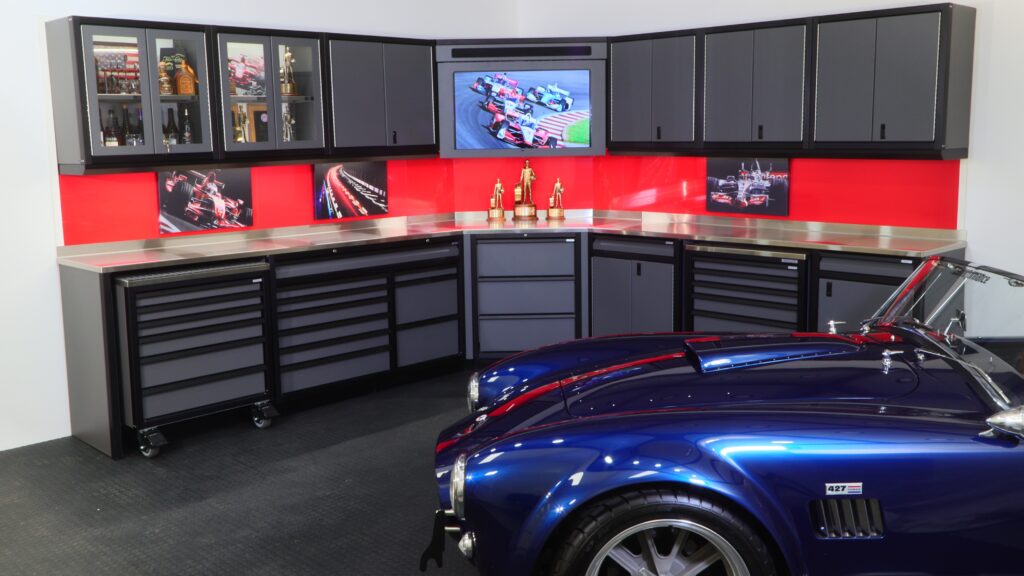
Designing the perfect garage isn’t just about adding storage. It’s about creating a custom workspace that supports how you live, work, and move. A well-planned cabinet system turns clutter into clean lines, scattered tools into a system, and wasted space into usable, productive work zones.
This guide walks you through the five steps to creating a professional garage layout and shows how Moduline can support you throughout the process.
Key Takeaways
- Design for function first: Define how you use the garage, then build zones and storage around that workflow.
- Measure like layout depends on it (because it does): Clearances, interruptions, and utilities determine what fits and where.
- Zones beat “more cabinets”: Grouping tools/items by activity keeps the garage organized and easier to maintain.
- Match cabinet types to tasks: Drawers for tools/parts, tall closets for bulky gear, overheads for lightweight storage, and work surfaces for hands-on work.
- Choose materials built for garage conditions: Aluminum shines in environments with moisture, chemicals, and temperature swings.
- Finish with organization + lighting: Dividers, pull-outs, bins, and task lighting turn storage into a true workspace.
Step 1: Define What You Want Your Garage to Do
Before you think about cabinets, you need to clarify what you expect from your space. This is the foundation of an efficient, purpose-driven design.
Identify Your Goals and Intended Usage
Think about how you want your garage to function:
- A workshop or fabrication space
- A detailing or automotive zone
- A gear wall for outdoor/sports equipment
- A clean, organized storage area
- A combination of all of the above
Knowing your goals upfront ensures every cabinet has a job and your layout supports your daily workflow.
Take Inventory of What You Need to Store
List the categories that will shape your storage zones:
- Hand tools and power tools
- Detailing products and chemicals
- Hardware and small parts
- Sports gear and seasonal items
- Bulky or specialty equipment
This inventory naturally reveals which zones you need and how much space each requires.
How Moduline Supports This Step
Sometimes the fastest way to figure out what you need is simply to talk about your project. When you connect with Moduline, we’ll walk through your space, your tools, and how you use the garage. As we work together, your goals naturally become clear, which makes the rest of the design process much easier.
Step 2: Measure Your Space & Identify Constraints
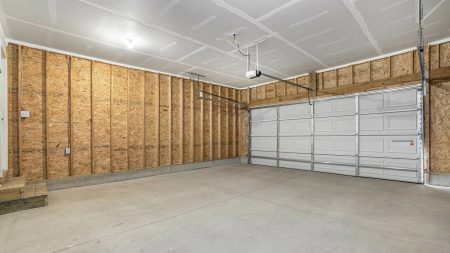
With your goals in mind, the next step is understanding the physical realities of your garage.
Measure Everything That Influences Layout
Write down:
- Wall lengths and ceiling heights
- Door swings and vehicle clearances
- Steps, windows, and wall interruptions
- Outlets, switches, and electrical panels
These measurements determine what can fit where, and what limitations your design must accommodate.
Look for Obstructions and Clearance Requirements
Consider:
- How deep cabinets can be before they interfere with walkways or parked vehicles
- Areas where cabinets may block windows
- Walls that require shallow or narrow units
Constraints aren’t obstacles. They simply guide cabinet selection.
How Moduline Supports This Step
If measurements feel overwhelming, we can take that off your plate. Share your dimensions and photos with us, and we’ll create a free 3D layout that shows how your garage can be organized while accounting for real-world constraints. Seeing it drawn out often makes the whole project feel more manageable.
Step 3: Map Zones & Draft a Preliminary Layout
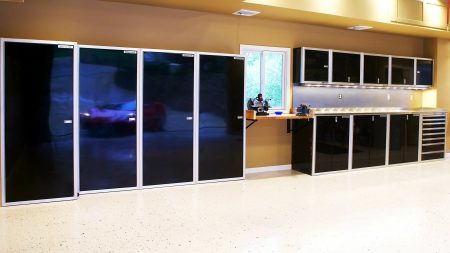
With your measurements and goals defined, you can start shaping a layout that supports workflow and movement. Instead of thinking about cabinets, start by organizing the space around activities. This gives your garage a natural flow and makes it easier to keep similar tools and tasks together.
Group Your Space Into Functional Zones
A zone is simply an area dedicated to a particular task or category of storage. Defining zones first ensures your garage supports how you actually use it.
Common garage zones include:
- Work Zone: A place for hands-on projects, repairs, and fabrication.
- Detailing & Auto Care Zone: Where you keep soaps, sprays, towels, and vehicle-care tools.
- Tools & Hardware Zone: A centralized spot for everyday tools, small parts, and accessories.
- Sports & Outdoor Zone: Storage for bulky gear, seasonal equipment, and outdoor items.
Think about how you move through your garage and which activities naturally belong near one another. That flow becomes the basis of your layout.
Sketch a Basic Layout
A simple sketch, even hand-drawn, helps you visualize:
- Where each activity zone will be located
- Clearances for cars, doors, and walkways
- Areas that need more open space versus more storage
This sketch doesn’t need to be perfect. Its purpose is simply to visualize how your garage should function before choosing specific cabinets.
How Moduline Supports This Step
When you talk through how you use your garage, our team helps identify natural zones and how they should be arranged for the best workflow. We can take your notes and sketches and translate them into a preliminary layout that shows how the space can come together. It’s an easy way to get a clearer picture of your garage’s potential before you make any decisions.
Whether you need tall closets for bulk storage, drawer cabinets for tools, overhead units, double-stacked wall cabinets, or mobile toolboxes for detailing work, Moduline has options that fit the way you use your garage. The variety makes it easy to match each zone with the storage style that supports your workflow. And because every cabinet is hand built from high-quality aluminum, you get a customized system that won’t rust and holds up to real garage conditions for a lifetime. Moduline offers stainless steel, aluminum, and butcher block countertops and work surfaces, which can be customized to your specific needs.
Step 4: Choose Your Cabinet Types & Materials
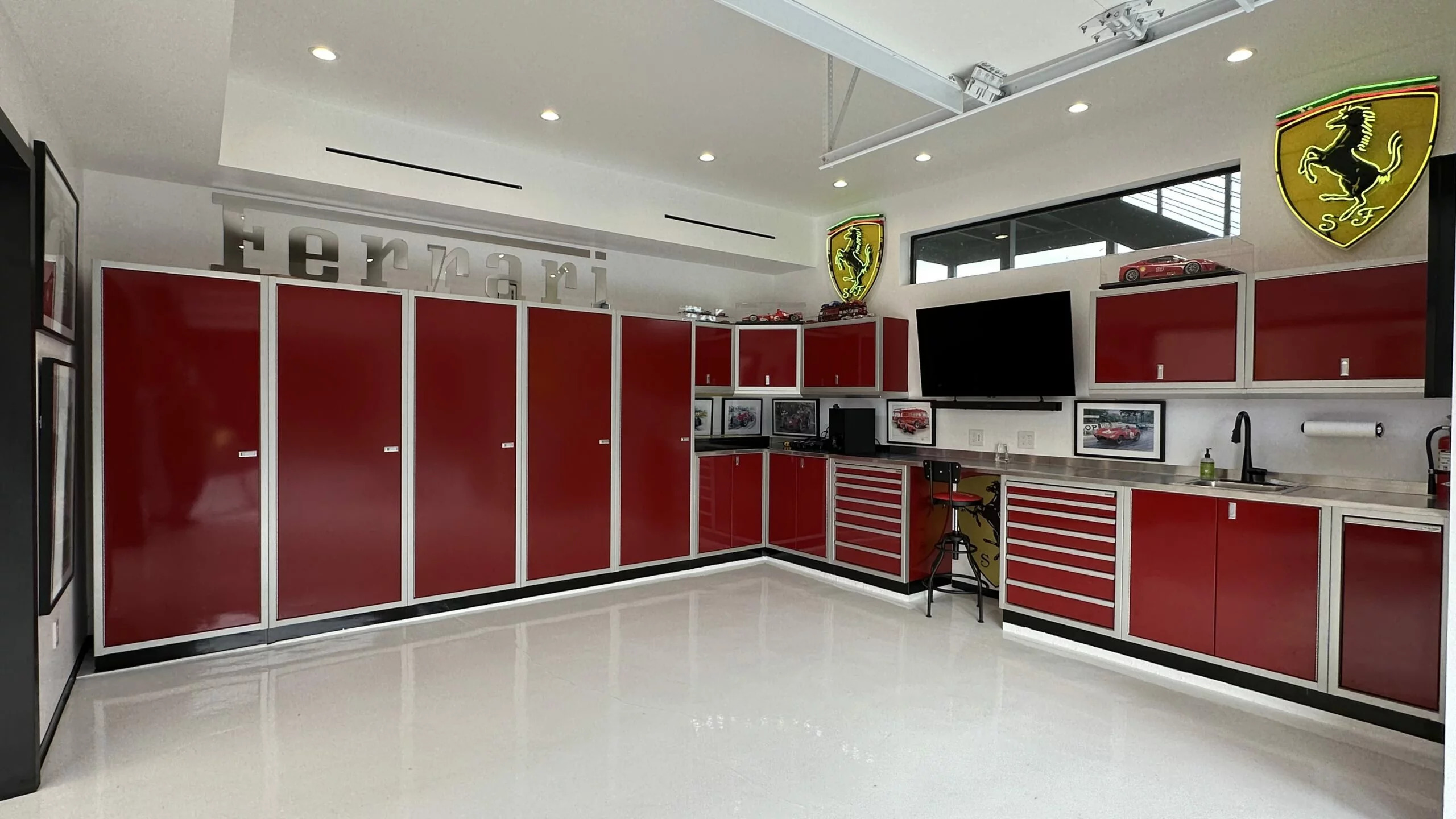
Once your zones and layout are in place, you can select the cabinet types and construction that best support your workflow.
Match cabinet types to each zone
Once your zones are defined, we help you choose the cabinet styles that best support what happens in each area.
- Work Zones: Require work surfaces paired with base cabinets or drawer stacks underneath for tools, fasteners, and power tool storage.
- Tool & Hardware Zones: Benefit from drawer cabinets with organizers or parts bin specialty cabinets for small parts, sockets, bits, hand tools, and shop essentials.
- Sports / Outdoor & Bulk Storage Zones: Often need tall “closet-style” cabinets for bulky gear, cleaning and detailing products, and other items that need to be kept enclosed.
- General Storage Zones: Use overhead wall cabinets for lightweight or occasional-use items. Double-stacked wall cabinets increase vertical height and work well when you want maximum storage without expanding the footprint.
- Automotive / Detailing Zones: A rolling toolbox can give you the flexibility to bring your tools directly to the vehicle.
Choosing the right combination ensures every item has a logical home.
Choose Materials Built for Real Garage Environments
Consider the pros and cons of:
- Wood: Affordable but vulnerable to moisture and warping
- Steel: Strong but heavy and prone to corrosion
- Aluminum: Corrosion-resistant, lightweight, strong, and dimensionally stable
In a garage where humidity, temperature swings, and chemicals are common, aluminum is often the superior long-term choice.
Why Moduline Aluminum Excels
Whether you need tall closets for bulk storage, drawer cabinets for tools, overhead units, double-stacked wall cabinets, or mobile toolboxes for detailing work, Moduline has options that fit the way you use your garage. The variety makes it easy to match each zone with the storage style that supports your workflow. And because every cabinet is hand built from high-quality aluminum, you get a customized system that won’t rust and holds up to real garage conditions for a lifetime. Moduline offers stainless steel, aluminum, and butcher block countertops and work surfaces, which can be customized to your specific needs.
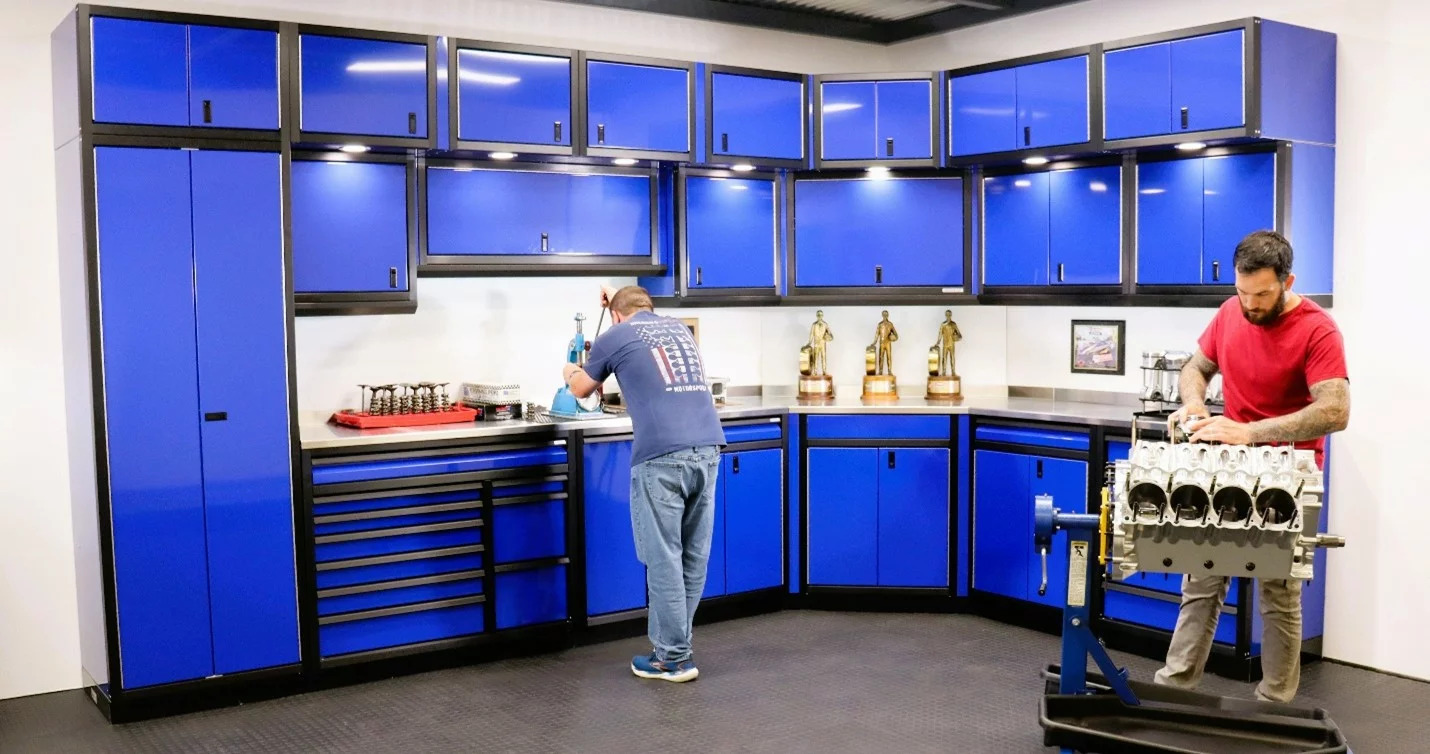
Step 5: Add Organization, Lighting & Aesthetic Finishing Touches
With the structure set, the final step is transforming your system into a polished, ergonomic workspace.
Enhance organization and accessibility
Consider:
- Drawer dividers and organizers
- Pull-out shelves
- Under-cabinet or task lighting
- Bin storage for small parts
Well-planned organization makes daily tasks smoother and reduces visual clutter.
Refine the aesthetics
These choices elevate your entire garage:
- Cabinet color and frame finish
- Countertop material
- Lighting placement
- Mats, liners, and finishing accessories
This is what makes your garage go from functional to professionally designed.
Moduline’s Finishing Touches
Moduline offers a cohesive range of options and accessories: color options, anodized frame finishes, drawer organizers, lighting solutions, durable work surfaces, and more. All engineered to work together seamlessly.

Get Expert Support from Moduline
Now that you understand the design process, the last step is making it real. And Moduline makes that part easy.
Moduline’s design experts can take your measurements, wish list, and rough sketches and turn them into a polished, accurate plan. Whether you’re optimizing a single bay or designing a full workshop, you’ll receive:
- Free professional design consultations
- CAD layouts tailored to your goals
- Expert recommendations for cabinet combinations and accessories
- Step-by-step support from concept to final configuration
A Moduline system gives you a clean, durable, American-made solution that makes your garage feel organized, efficient, and ready for whatever you take on next.
FAQ
1) What’s the first step to designing a garage cabinet system?
Start by defining what you want your garage to do (workshop, detailing bay, sports gear storage, clean parking + storage, or a hybrid). Your function determines your zones, cabinet types, and layout.
2) How do I figure out what storage I actually need?
Take a quick inventory by category—tools, chemicals, small parts, sports/seasonal gear, and bulky items. Those categories naturally become storage “zones” and help you estimate the cabinet mix (drawers vs. shelves vs. tall closets).
3) What measurements matter most before buying cabinets?
Wall lengths, ceiling height, door swings, vehicle clearance, outlets/panels, windows, steps, and any wall interruptions. These constraints determine cabinet depth, placement, and whether you need shallow/narrow sections.
4) How do I lay out cabinets so the garage feels efficient, not cramped?
Design around workflow first: map activity zones (work, tools/hardware, detailing, sports/outdoor) and plan clear walkways and vehicle space. Then place storage where it supports the activity, not just wherever it fits.
5) What are “zones,” and why do they matter?
Zones are dedicated areas for specific tasks or storage types. They prevent tool sprawl, speed up daily routines, and make it easier to maintain organization long-term.
6) Which cabinet types work best for different garage uses?
- Work zones: work surface + base cabinets/drawer stacks
- Tools & hardware: drawer cabinets + organizers/parts bins
- Sports/bulk storage: tall closet-style cabinets
- General storage: overhead wall cabinets (double-stacked if you want more vertical storage)
- Detailing/auto care: rolling toolbox for flexibility near the vehicle
7) What’s the best cabinet material for a real garage environment?
Garages deal with humidity, temperature swings, and chemicals—so material matters. Aluminum is corrosion-resistant, lightweight, strong, and dimensionally stable, making it a strong long-term option compared to wood (moisture/warping risk) or steel (heavy weight + corrosion risk).
8) How do I “future-proof” my garage cabinet system?
Choose a modular system that can expand or reconfigure as your vehicles, tools, and hobbies evolve. Designing with zones and leaving room for add-ons keeps the system flexible.
9) What finishing touches make a garage feel professionally designed?
Drawer dividers, pull-out shelves, bin storage, task/under-cabinet lighting, plus cohesive countertop and cabinet finishes. These upgrades improve ergonomics, speed, and visual cleanliness.
10) How can Moduline help if I’m not sure where to start?
Moduline can help you clarify goals, review your space and inventory, and translate your measurements/photos/sketch into a free 3D layout or CAD-style plan, then recommend cabinet combinations, work surfaces, and accessories that fit your workflow.